
Palestine: Stone, Hills and Human Life
Palestine is a land where the landscape feels deeply lived in. Not distant or untouched, but shaped over generations by people, memory, and daily life.
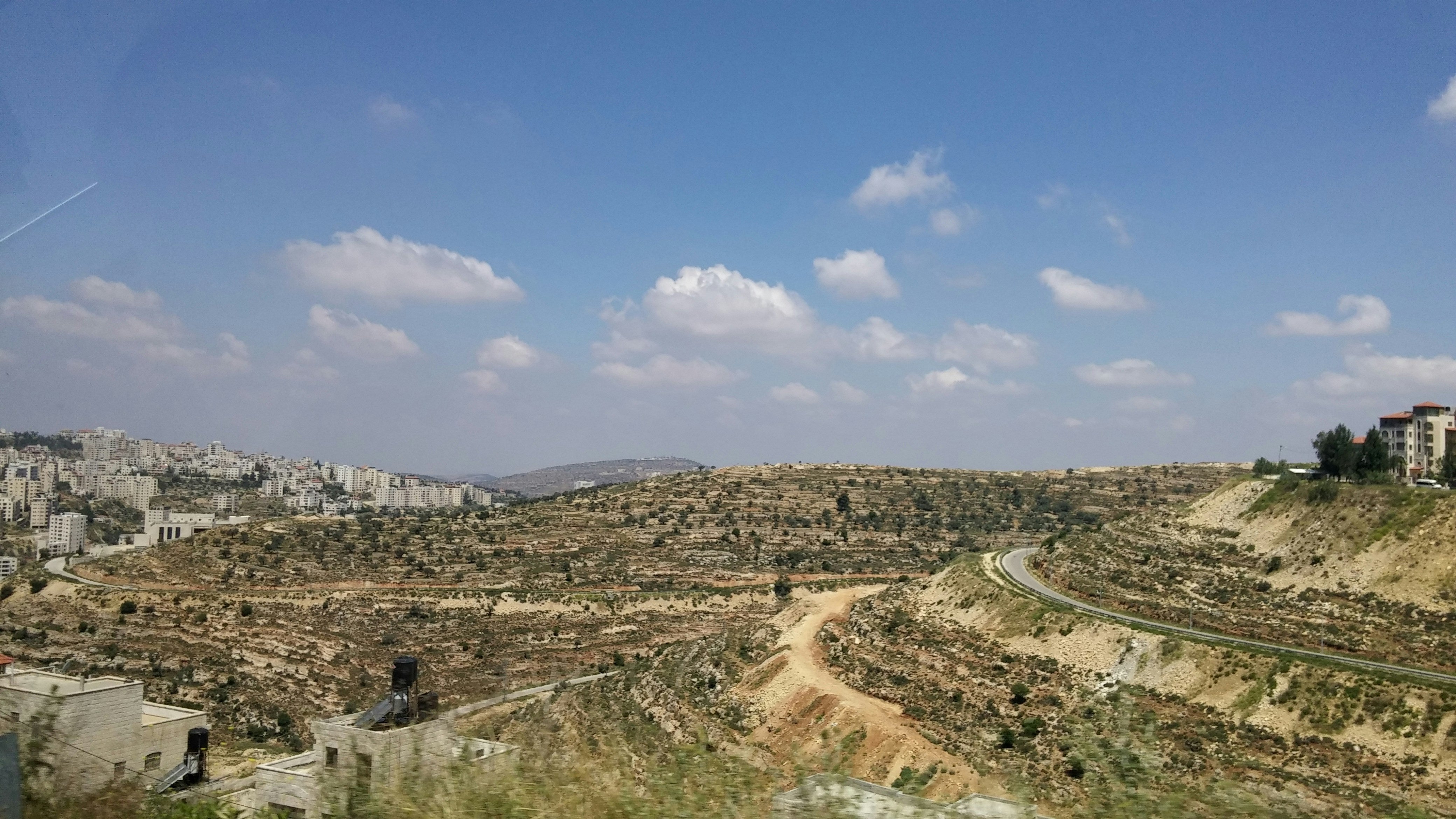
Across its hills, pale limestone rises. Villages sit naturally within the terrain, built from the same stone that forms the ground beneath them. Stone walls and terraces follow the curves of the land, built by hand to hold soil, water, and olive trees in place.
These terraces did not simply appear. Much of Palestine's landscape is steep and rocky, and generations of farmers first had to clear countless stones from the earth before they could cultivate it. The work took years, even lifetimes. Stone by stone, the hillsides were transformed into fertile terraces where olive trees, grapevines, fig trees, and almond trees could take root.
Rather than discarding the rocks, they became part of the landscape itself, carefully stacked into walls that still shape the hills today. Small stone shelters known as sqeefe—from the Arabic word for "roof"—were built to store tools, harvests, and offer shade during long days of work. Larger stone farmhouses, called qusur or manater, became seasonal homes tied to agriculture.

Their flat roofs served many purposes: figs were laid out to become qatin (dried figs), grapes dried slowly into raisins, and strands of traditional wheat vermicelli were left in the summer sun to preserve food for the months ahead. As evening fell and the day's work was finished, families would often clear the rooftops and sleep beneath the open sky.
The olive tree is central to this landscape. Old and twisted, often centuries in age, it stands as a quiet witness to continuity. Harvest seasons bring families together across the hills, where land and life remain closely connected.

Seasons change the mood of the land. Spring brings wildflowers between rocks and terraces. Summer turns the hills golden and dry. Winter brings mist and rain that carve temporary streams through the valleys.
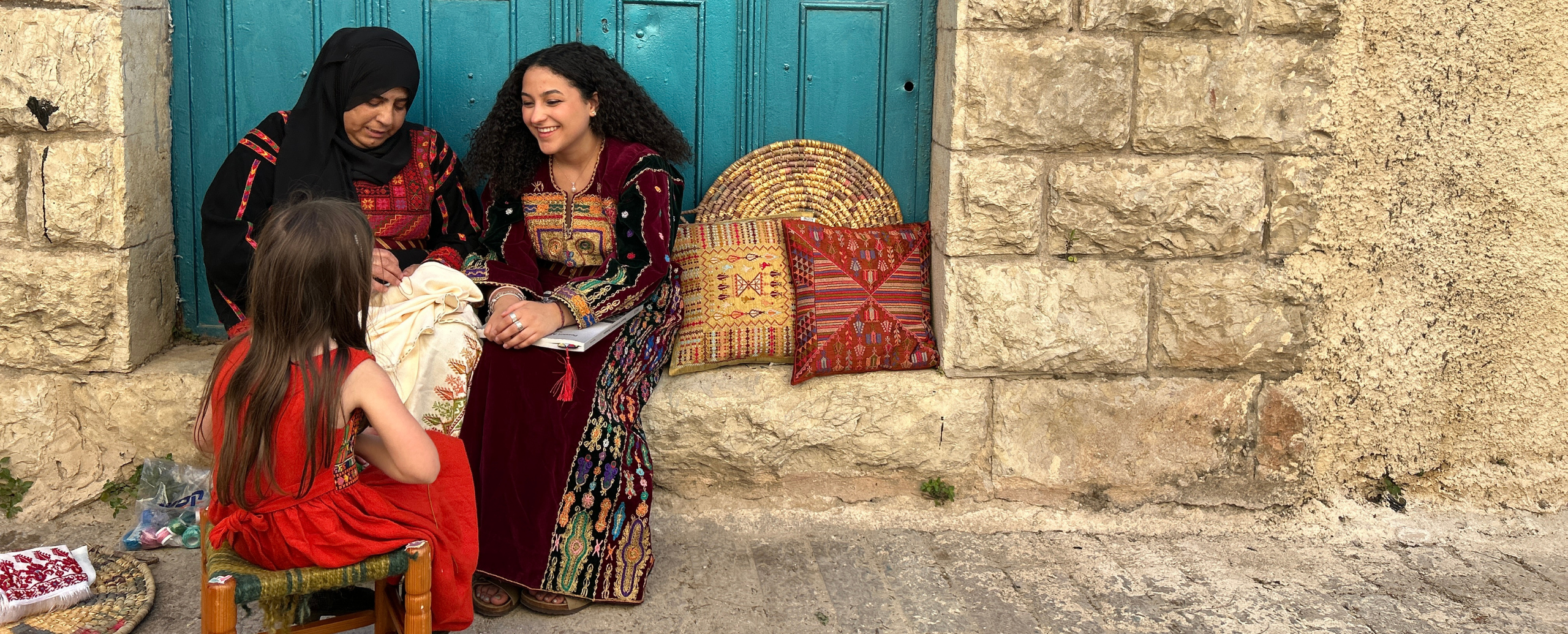
In all of this, nature and human life are closely woven together. Craft traditions, food, and everyday rhythms reflect the landscape—stone, soil, and olive groves shaping how people live and remember.
Palestine, in this sense, is not just a place you look at. It is a place you read through its stones, its hills, and the quiet persistence of life rooted in the land.
You can discover and support this heritage through handcrafted pieces on our website, Handmade Palestine, such as olive wood carvings and stone-inspired works.


Written by Morgan Totah
Visit author's website


Leave a comment
This site is protected by hCaptcha and the hCaptcha Privacy Policy and Terms of Service apply.