
Article: Palestinian Olive Harvest and Olive Oil: The Story Behind Every Bottle
Palestinian Olive Harvest and Olive Oil: The Story Behind Every Bottle
Every autumn, families across Palestine head out to groves that have been in their care for generations. They spread tarps under the branches, pick the fruit by hand, and carry it to the press. A few weeks later, the first oil of the season is on the table, usually with warm bread and za'atar.
This is the Palestinian olive harvest. It is a food tradition, a livelihood, and one of the clearest expressions of Palestinian connection to the land. In 2026 it is also a season of serious danger for the farmers who carry it out. This guide explains what the harvest is, what makes Palestinian olive oil special, what farmers face this year, and how you can support them.
Why the Olive Tree Matters in Palestine
The olive is the most important crop in Palestine. An estimated 10 million olive trees grow across the West Bank and Gaza, and olive trees cover almost half of the cultivated land (Al Jazeera). Olive oil is the main cooking fat in Palestinian homes, and most of what is produced is eaten locally (World Bank).
The tree is also very old and very long-lived. In Al Walaja, near Bethlehem, the Badawi olive tree is estimated to be around 5,000 years old, although estimates of its age vary. Palestinians often call it the "mother of olives" and it is one of the best-known trees in the country.
For many Palestinians, then, the olive tree is not a symbol invented for slogans. It is family land, family income, and family history in one.
How the Olive Harvest Works
The harvest usually runs through October and November. Families start earlier or later depending on the village, the altitude and the year.
Picking. Olives are picked by hand, often by whole extended families. Tarps or nets go under the tree, fruit is stripped or knocked from the branches, and the olives are gathered into sacks. The UN human rights experts describe the harvest as deeply rooted in Palestinian cultural and agricultural heritage.
Pressing. The olives are taken to a press soon after picking. Fresh fruit makes better oil, so there is little waiting. Cold-pressing, where the paste is not heated, protects the flavour and is the standard for extra virgin oil.
Good years and quiet years. Olive trees tend to give a heavy crop one year and a lighter one the next. The World Bank notes this cycle as a basic feature of Palestinian olive production, and it is one reason farmers plan around the weather and the season rather than a fixed yield.
Nothing goes to waste. Besides oil, the olive gives table olives (often fermented by hand), pickles, and olive oil soap, which Nablus has made for over a thousand years. Even the byproduct of pressing is put to use, compressed into jifit, as Handmade Palestine describes in its own writing on the olive tree. Even pruned olive wood has a second life: artisans in Bethlehem carve it into bowls, utensils and nativity sets.
The 2026 Harvest: Farmers Under Attack
The harvest should be a season of work and gathering. This year, UN agencies describe it as one of the most dangerous on record.
-
Attacks have passed last year's total. According to the UN's humanitarian office, OCHA, 272 olive-harvest-related settler attacks were documented between 1 September and 19 October 2026. That is more than the 2024 and 2025 harvest seasons recorded in full. The attacks caused one Palestinian death, 200 injuries, and damage to more than 3,200 olive trees and saplings.
-
Violence is rising year on year. OCHA reports that harvest-related settler attacks grew from 33 in 2020 to 185 in 2025.
-
Israeli forces are often present. UN News reports that the attacks are often carried out under the protection of, or with the participation of, Israeli forces.
-
Access to land is being restricted. UN human rights experts say the Israeli military changed its policy this year. Palestinians can no longer get permits to harvest on land that Israel classifies as "State land", including plots farmers have picked for generations. The experts also point to Israeli military orders in September 2026 to clear vegetation from about 339,000 square metres of Palestinian farmland, including olive groves in Jenin, Qabatiya and Beit Rima (OHCHR, 19 October 2026).
-
The trees themselves are being destroyed. UN News reports that 286,000 olive trees in the West Bank were damaged between 2023 and the end of September 2026, including 100,000 this year before the harvest even began.
Many families began picking early this year to reduce the risk of attack, according to reporting on the OCHA briefing.
The stakes are economic as well as cultural. The harvest supports up to 100,000 Palestinian families (CGTN), and OCHA reports that olive and olive oil production employs more than 15 percent of working Palestinian women. When a grove is burned or a farmer is kept from their land, a family loses a year of income and, often, trees that took decades to grow.
What Makes Palestinian Olive Oil Special
The World Bank has noted that Palestinian soil and climate produce some of the highest quality olive oil in the world, with a distinctive taste and aroma. Shahed describes its oil as coming from rain-fed, traditionally cultivated trees.
Good Palestinian extra virgin olive oil is typically:
-
Peppery and fresh on the finish, a sign of freshly pressed, high-quality oil
-
Fruity and green rather than flat or neutral
-
Cold-pressed, so the flavour is not cooked out
-
Family-farmed, from small groves rather than industrial plantations
Shahed Extra Virgin Olive Oil at Handmade Palestine
Handmade Palestine sells Palestinian extra virgin olive oil under the Shahed name, in a 1-litre tin. It is cold-pressed, rain-watered and sourced from families of farmers in the Jenin area, then bottled by Green Gold Mill, a company that works to help small farmers and families produce sustainable, high-quality oil. Smaller 250 ml bottles of Shahed also come in Handmade Palestine's curated subscription boxes.
How Palestinian Families Use Olive Oil
Olive oil is not a luxury item in a Palestinian kitchen. It is the base of daily cooking and the centre of the most familiar breakfast: warm bread dipped first in oil, then in za'atar. Other classic uses include (for more ideas, see these ways to enjoy Palestinian extra virgin olive oil):
-
Drizzled over labneh, hummus and baba ghanoush
-
Over maftoul and roasted vegetable salads
-
With sumac-spiced onions in dishes such as musakhan
-
In cakes, where it replaces butter and keeps the crumb moist
More Than Oil: Soap, Olive Wood and Adopting a Tree
The olive tree supports more than one craft, and each of these lines has its own story.
-
Olive oil soap from Nablus. Handmade Palestine's soaps come from a small family-run factory in Nablus called Nabulsi, working with a recipe the family keeps private.
-
Olive wood. Palestinian artisans in Bethlehem carve olive wood from branches that are pruned or have fallen, never from a whole tree cut down for the purpose.
-
Adopt an olive tree. If you want to support a tree directly, you can adopt an olive tree in Palestine and receive freshly pressed oil and hand-fermented olives from it after the harvest.
How Buying Palestinian Olive Oil Helps
Buying Palestinian olive oil from a source you can trace puts money into the olive economy at a time when farmers are being pushed off their land. When you choose Palestinian oil from family farms, you support families who depend on the harvest, and you keep a living tradition going.
At Handmade Palestine, the Shahed oil comes from families of farmers around Jenin, and the organisation puts its profits toward tree planting in Palestine through Mashjar Juthour.
A few practical tips for buying any olive oil with a Palestinian label:
-
Look for a named region (such as Jenin) and a named producer, not only the word "Palestinian".
-
Check that it says extra virgin and cold-pressed.
-
Choose a tin or dark glass bottle; light and heat spoil oil.
-
Check the harvest year and use the oil within about a year of it.
Conclusion
The olive harvest is the heart of the Palestinian farming year, and in 2026 it is happening under serious threat. Buying Palestinian olive oil, olive oil soap and olive wood keeps income flowing to families whose trees and land are under attack, and keeps a very old tradition alive.
Frequently Asked Questions
When is the olive harvest in Palestine?
It usually runs from October through November, depending on the region. In 2026 many families began picking early to reduce the risk of attack.
Why is Palestinian olive oil so important?
Olives are the main crop in Palestine, covering almost half of cultivated land, and olive oil is the main cooking fat in Palestinian homes. The harvest supports tens of thousands of families and is closely tied to Palestinian heritage.
What is the difference between extra virgin and regular olive oil?
Extra virgin olive oil is made only by mechanical or cold extraction, with no heat or chemical refining, and must meet strict quality standards. It keeps the flavour and the natural compounds of the fruit.
Is Palestinian olive oil good for cooking or only for dipping?
Both. Palestinians cook with it every day, from roasting vegetables to frying onions. For salads, bread dipping and finishing dishes, a good extra virgin oil adds the most flavour.
How can I support Palestinian olive farmers?
Buy Palestinian olive oil directly from sellers who name their farms and region, consider adopting an olive tree, and share verified information about the harvest.
How should I store olive oil?
Keep it in a cool, dark place with the lid closed. A tin or dark bottle protects it from light. Use it within about a year of the harvest date for the best flavour.
Written by Morgan Totah
Visit author's website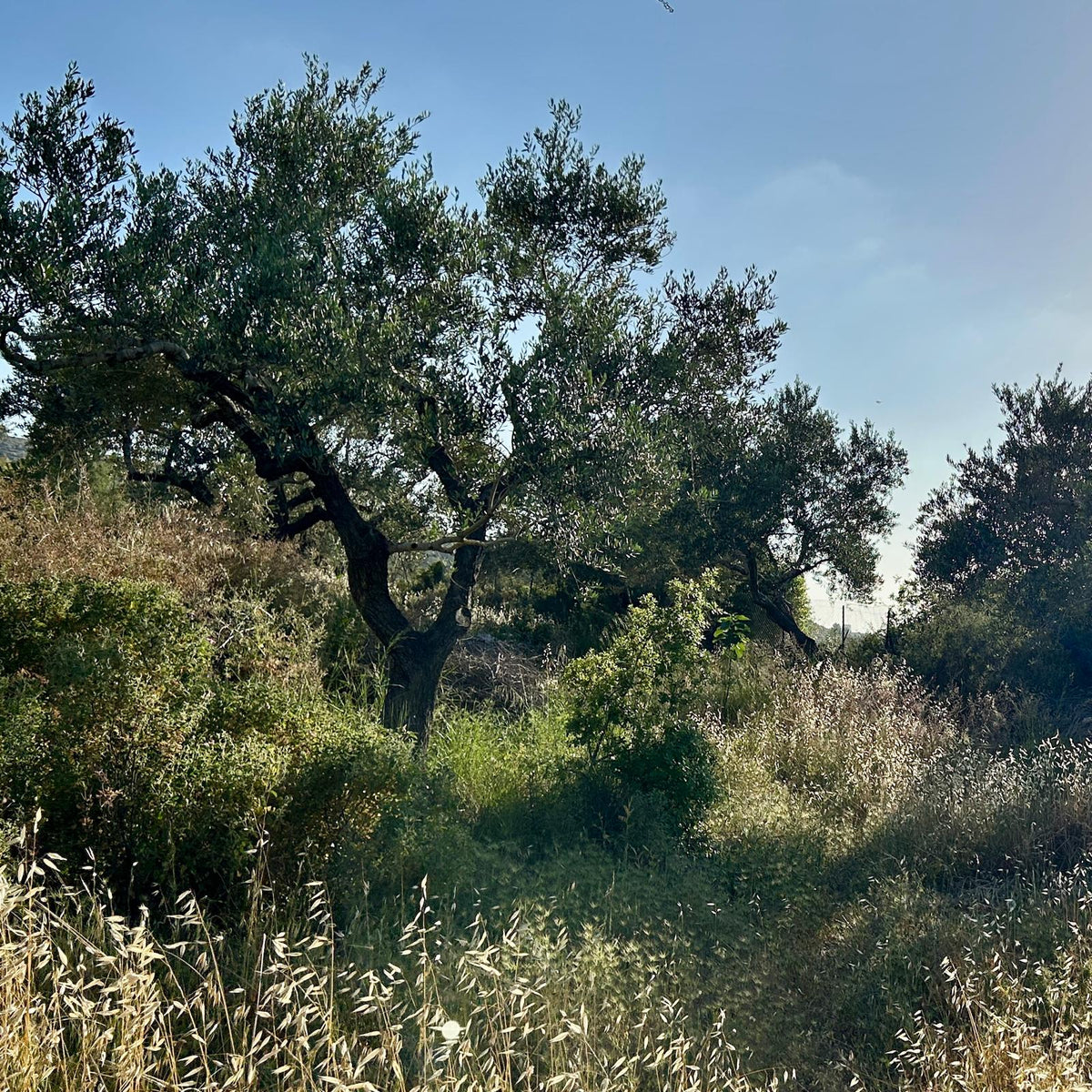


Leave a comment
This site is protected by hCaptcha and the hCaptcha Privacy Policy and Terms of Service apply.