
Article: It Did Not Start on October 7
It Did Not Start on October 7
Today marks three years since October 7, 2023.
This incredible violence didn’t begin then; it began in 1917, almost 100 years beforehand. We must not ever erase generations of Palestinian life, displacement, grief, resistance and survival by saying this began on October 7.
To understand, if you really don’t know, we need to go back.
A Brief history
- 1917: Britain claimed Palestine during the First World War, and the Balfour Declaration backed the establishment of a “national home for the Jewish people” in Palestine without the consent of the indigenous Palestinians already living there.
- 1920–1948: Under the British Mandate, Palestinians protested, petitioned, organized and demanded independence while opposing British policies that facilitated increased Jewish immigration and settlement.
- 1936–1939: The Great Palestinian Revolt against British rule was met with military repression, mass arrests, executions, demolitions and collective punishment, devastating Palestinian political leadership before the catastrophe of 1948.
- 1947: The United Nations proposed partitioning Palestine into separate Jewish and Arab states, allocating the proposed Jewish state a larger share of the land despite the Jew immigrants being a minority of the population, and violence escalated.
- 1947–1949: The Nakba saw approximately 700,000–800,000 Palestinians violently displaced from their homes, with people forcibly expelled into Gaza and the West Bank and across the borders into Jordan, Lebanon and Syria, while hundreds of Palestinian villages were destroyed or razed to the ground.
- 1948: At Deir Yassin, more than 100 Palestinians were massacred by Zionist paramilitary forces, becoming one of the massacres that contributed to fear and the wider Palestinian flight during the war.
- 1949–1966: Gaza came under Egyptian administration and the West Bank under Jordanian control while Palestinian refugees lived in camps that were meant to be temporary but became homes for generations.
- 1967: Israel captured the West Bank, East Jerusalem and Gaza in the ‘67 War, displacing more than 300,000 Palestinians, including many already displaced in 1948, and beginning the illegal and violent occupation that continues today.
- 1967–present: Palestinians have lived under this illegal occupation marked by immoral military rule, illegal settlements, land confiscation, demolitions for no reason and little notice, checkpoints, mass restrictions on movement, abductions and detention, including minors.
- 1978: Israel invaded southern Lebanon and established a military presence there.
- 1982: Israel invaded Lebanon, and later that year enabled the massacre hundreds of Palestinian refugees, with estimates reaching into the thousands, at Sabra and Shatila while Israeli forces surrounded the camps.
- 1987–1993: The First Intifada became a mass Palestinian uprising against the occupation involving demonstrations, strikes, boycotts, civil disobedience and armed resistance, with more than 1,200 Palestinians killed by 1993.
- 1988: The PLO accepted the framework of UN Resolutions 242 and 338 and effectively accepted the principle of a Palestinian state alongside Israel in the territories occupied in 1967 — roughly 22% of historic Palestine.
- 1993–1995: The Oslo Accords consolidated the Israeli control over Palestinian lives and land, boasting mutual recognition between Israel and the PLO and created the Palestinian Authority, but final-status issues remained unresolved while Israeli settlements continued to expand.
- 2000–2005: The Second Intifada erupted after the collapse of the Oslo process and became a period of intense violence involving Palestinian resistance, Israeli military operations, mass arrests, demolitions, incursions and widespread Palestinian civilian casualties.
- 2008–2009: Israel launched a major military offensive against Gaza, killing large numbers of Palestinians and causing extensive destruction.
- 2012: Another major Israeli offensive against Gaza saw further Israeli airstrikes which left hundreds of Palestinians murdered and wounded.
- 2014: Operation Protective Edge brought another devastating Israeli war on the people of Gaza, killing more than 2,000 Palestinians and causing widespread destruction.
- 2015–2016: A new wave of Palestinian attacks, Israeli military operations and killings became known as the “Knife Intifada” or “Wave of Violence,” although the use of the term intifada remains contested.
- 2018–2019: During the Great March of Return, Palestinians demonstrated near Gaza's perimeter fence demanding an end to the blockade and the right of return, while Israeli forces used live ammunition and snipers, with 195 Palestinians killed, including 41 children, and nearly 29,000 injured.
- 2022: Israeli military raids intensified, while Gaza experienced another Israeli air campaign and the West Bank saw escalating colonial-settler violence, enabled by the monstrous right wing government regime.
- January–September 2023: Israeli violence in the West Bank intensified, with increased Israeli raids, attacks on Palestinians, vicious settler violence and Palestinian deaths.
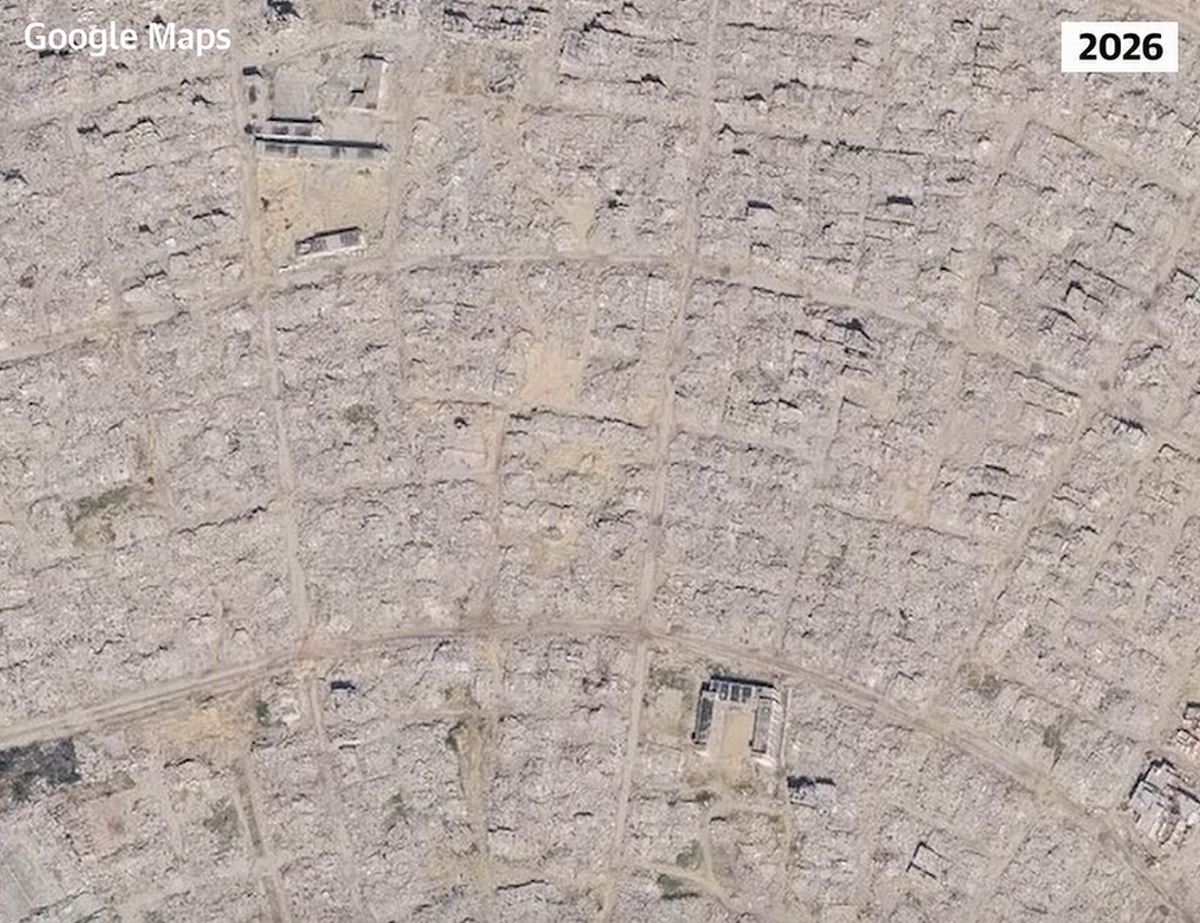
- October 2023–October 2025: Israel's war in Gaza killed tens of thousands of Palestinians, including more than 21,000 children according to UNICEF figures reported by early 2026, while intensionally targeting and destroying homes, hospitals, schools, universities and much of Gaza's infrastructure and displacing the overwhelming majority of its population many times over.
- 2023–present: In the West Bank, Israeli military raids, abductions, administrative detention, settler violence, demolitions, land seizures and Palestinian displacement continued alongside Palestinian armed attacks. The International Court of Justice concluded that Israel's continued presence in the Occupied Palestinian Territory is unlawful and called for it to end as rapidly as possible.
- 2025: A ceasefire in Gaza was announced on 10 October, but Israeli violence and targeting of Palestinians in camps and homes and hospitals continued afterward.
- 2025–2026: UNICEF reported that at least 300 Palestinian children were killed during the first 300 days after the ceasefire, demonstrating how far the reality remained from genuine peace.
This is why we cannot allow the history to begin on October 7. Because when you start there, you miss 1917. You miss the British Mandate and the Great Palestinian Revolt. You miss 1948 and the Nakba. You miss the 7-8 hundreds of thousands of people who became refugees. You miss 1967 and the occupation. You miss the First and Second Intifadas. You miss the blockade of Gaza and the repeated wars. You miss the children who grew up knowing nothing but this and continue to suffer the effects of war.
This did not start on October 7.
And still, Palestine is here
After everything — after the Nakba, after the villages, after the refugee camps, after 1967, after occupation, detention, checkpoints and demolitions, after the Intifadas, after the bombs and the funerals, after losing children, homes and entire neighbourhoods - Palestine is still here. The incredible resiliences and strength of these amazing people will never fade. People still cook. They bake bread. They pick olives. They make coffee. They embroider tatreez. They sing and dance. They fall in love. They get married. They have babies. They tell their children the names of villages their families came from. They keep photographs. They keep keys. They plant olive trees. They make things with their hands.
And that is why handmade matters to us.
When a people are told that their history can be erased, making becomes a way of remembering. A stitch can carry a story. A pattern can carry a village. An olive branch can carry a family. A piece of Palestinian embroidery can say something very simple: We were here. We are here. We are not disappearing.
Our hearts are heavy. Our anger is real. Sometimes it feels unbearable. But anger cannot be the end of the story. We have to turn it into something. We can learn. We can speak. We can protest. We can boycott. We can support Palestinian artists, farmers, makers and families. We can donate. We can write to our representatives. We can keep talking when people would rather we be quiet. We can refuse to let Palestinian lives become numbers that people scroll past. And we can refuse to accept that one child's life is worth more than another's. Palestine is home. Our grief is heavy. Our anger is heavy. But we are not silent. We turn that grief into action. We keep speaking. We keep showing up. We keep making. We keep supporting. We keep demanding justice.
For the children. For the families.
For the people still waiting to go home.
For the right to live with dignity.
For freedom. For justice. For Palestine.

Written by Morgan Totah
Visit author's website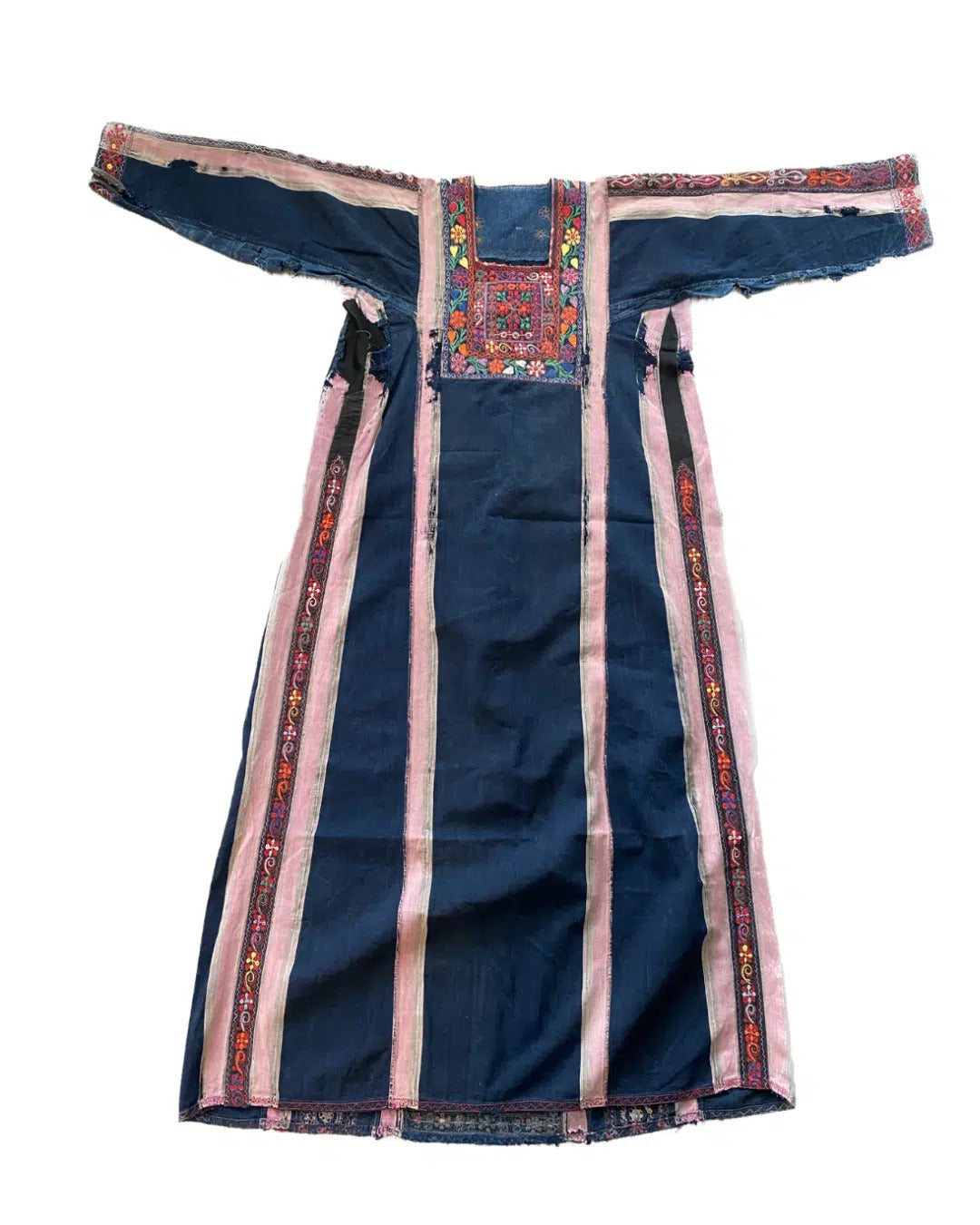


Leave a comment
This site is protected by hCaptcha and the hCaptcha Privacy Policy and Terms of Service apply.