
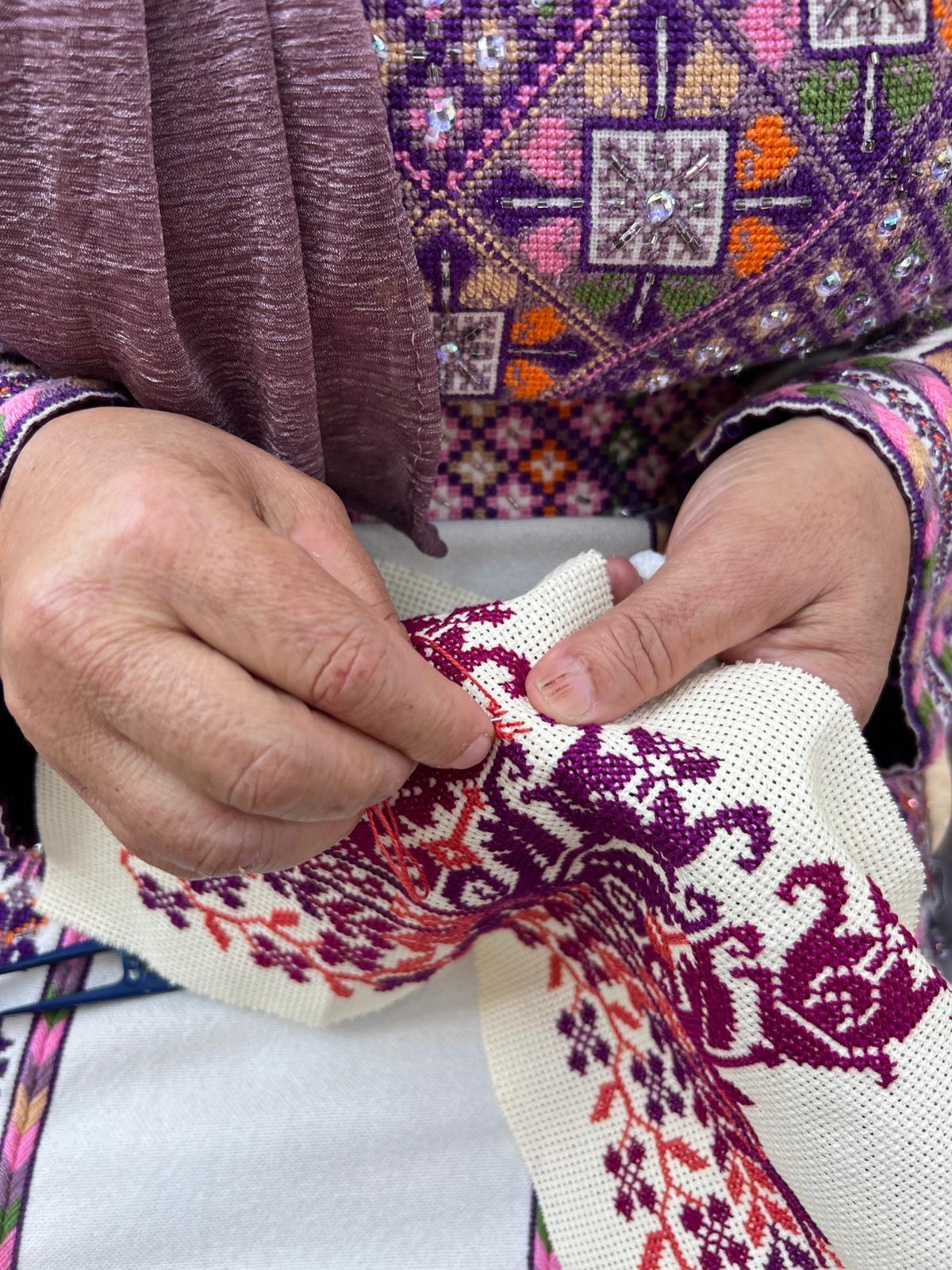
Why Buy Palestinian Products? The Real Meaning Behind Every Purchase
Every purchase is a choice. Most of the time, that choice is made on the basis of price, quality, convenience, or preference. But sometimes a purchase can be something more: a small but deliberate act that connects your daily life to values you hold, and to people whose lives are genuinely affected by your decision.
Buying Palestinian products is that kind of purchase.
This guide explains what it actually means to buy Palestinian products, where the money goes, who it reaches, what it sustains, and why it matters at a time when Palestinian livelihoods are under extraordinary pressure.
The Reality of Palestinian Economic Life Under Occupation

To understand why buying Palestinian products matters, it helps to understand the economic conditions in which Palestinian artisans and producers work.
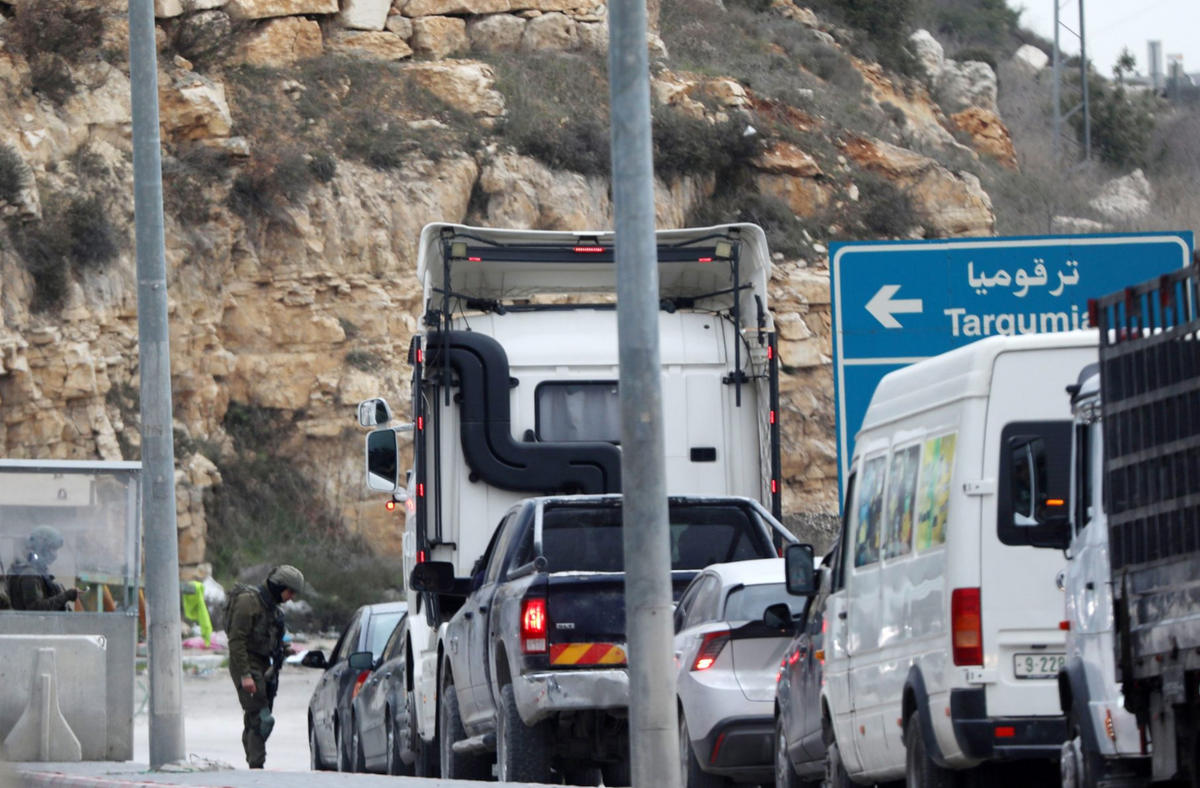
Palestinian communities in the West Bank and Gaza live under military occupation, a reality that shapes every aspect of economic life. Movement is restricted. Access to markets is controlled. Import and export of goods is subject to permits, checkpoints, and regulations that can delay, prevent, or significantly increase the cost of doing business. Access to raw materials is uncertain. The ability to travel to trade fairs, meet buyers, or develop international market relationships is severely limited.
For Palestinian artisans the tatreez embroiderers, the olive wood carvers, the soap makers, the keffiyeh weavers, the micro mosaic jewelers these constraints are not abstract. They are the daily reality within which they try to sustain their craft, support their families, and keep alive traditions that have been practiced in Palestine for generations.
Since October 2023, these constraints have intensified significantly. Sourcing raw materials has become harder. Moving between Palestinian communities has become more restricted. The economic pressure on Palestinian artisans and producers has increased at exactly the moment when international solidarity and support have never been more visible.
Your purchase of a Palestinian product is a direct response to this reality.
Where the Money Goes
When you buy a Palestinian product from Handmade Palestine, your money follows a specific path one that is designed to maximize the benefit to Palestinian people.
Fair wages paid before the product is sold. At Handmade Palestine, our artisans are paid the moment we receive their work, not after we sell it. We buy the materials. We carry the financial weight. The artisan is never asked to wait for her money until a customer buys her piece. The second the work arrives, she is paid in full, on the spot.
This is what fair trade actually means to us. If an artisan has to wait to be paid, that is not fair. So when you buy from Handmade Palestine, the artisan who made your piece has already been paid. What your purchase does is allow us to place a new order with that artisan to go back to her, buy more materials, and pay her again for her next piece. Your purchase sustains the cycle; it does not begin it.
Support for women's cooperatives. Many of the artisans Handmade Palestine works with are women, and many of these women are the sole providers for their families. The income from their craft is not supplementary; it is essential. When you buy a tatreez purse or an embroidered piece from Handmade Palestine, you are paying a woman artisan in Palestine who depends on that payment.
Investment in artisan training and development. Since 2022, Handmade Palestine has provided artisans with training in branding, marketing, design, and pricing, helping craftspeople connect their traditional skills with international markets. In 2023, we expanded into product design partnerships, working with artisan groups from concept to finished product. Your purchases fund this work.
Environmental investment. A portion of every purchase contributes to tree planting in Palestine through our partner Mashjar Juthour, a nature reserve that plants and protects trees on Palestinian land. Buying Palestinian is, in a small way, also an act of environmental solidarity with the Palestinian landscape.
What You Are Sustaining

Beyond the immediate financial impact on individual artisans, buying Palestinian products sustains something larger: a living culture of craft that connects Palestinian people to their land, their history, and their identity.
Palestinian tatreez, cross-stitch embroidery whose geometric patterns encode the specific identity of Palestinian villages and regions, was practiced for centuries before it became a symbol of resistance, and it will need practitioners and markets long after solidarity campaigns have faded. The women who embroider tatreez today are the living link in a chain that stretches back generations. Without buyers, that chain breaks.
Palestinian keffiyeh weaving, the craft that produced the garment now recognized as a global symbol of Palestinian identity, requires factories, workers, and markets to survive. The Palestinian-owned factory that produces our keffiyehs has kept this craft alive through decades of displacement and occupation. Every keffiyeh sold is a reason for that factory to keep producing.
Palestinian olive wood carving centered in Bethlehem, where families have carved olive wood for generations, requires a market for its products. The artisans whose workshops have been passed from parent to child produce objects of exceptional quality. Without buyers, those workshops close.
Palestinian olive oil soap made in Nablus using a process refined over a thousand years requires that the masabeen keep operating, that workers keep their jobs, and that the craft of traditional soap making remains economically viable. Every bar sold is a contribution to that viability.
These are not abstract cultural preservation goals. They are real livelihoods, real families, and real traditions that survive only as long as people choose to buy them.
Why Buying Palestinian Is Different From Donating
People often ask whether it is better to donate to a Palestinian cause or to buy Palestinian products. The answer is: they are different acts, and both matter, but buying Palestinian products has a specific quality that donation does not.
When you donate to a Palestinian organization, you are contributing to a fund that supports specific programs or interventions. That is valuable and important. But it creates a relationship of dependency: the organization depends on ongoing donations to sustain its work.
When you buy a Palestinian product, you are participating in a sustainable economic relationship. You are paying for something of real value, something made with real skill, and that payment sustains the artisan's ability to keep making. The artisan does not need your charity; they need your custom. The difference matters to their dignity as well as to the sustainability of their work.
At Handmade Palestine, we are a social enterprise precisely because we believe in this model. We are not a charity. We are a marketplace that connects Palestinian artisans with international buyers, creating the economic relationships that allow Palestinian craft to sustain itself.
The Palestinian Brand: What It Means to Buy Authentic
Not everything marketed as "Palestinian" is made by Palestinians or benefits Palestinians. The global visibility of Palestinian identity has created a market for Palestinian-branded products that are, in many cases, produced elsewhere with no Palestinian connection.
Keffiyehs mass-produced in China. "Palestinian" olive oil from other countries. Embroidery patterns replicated by manufacturers with no connection to the tatreez tradition. These products use Palestinian identity as a marketing tool while sending no money to Palestinian people.
Buying authentic Palestinian means asking the right questions:
Who made this? Can the seller tell you specifically which artisan, cooperative, or factory produced this piece? A legitimate Palestinian seller will be transparent about this.
Does this purchase benefit Palestinians directly? Does the sale price reach Palestinian artisans and workers, or does it go to an intermediary with no Palestinian connection?
Is this fairly traded? Are the artisans who made this piece paid fairly for their skill and time?
At Handmade Palestine, the answers to all three questions are clear. We are a Palestinian-run social enterprise based in Ramallah. We work directly with over 30 artisan groups, women's cooperatives, and designers across Palestine. Every purchase benefits Palestinian people directly.
Meet the artisans behind Handmade Palestine →
How to Make Your Palestinian Purchases Count
Buy from Palestinian-run sources. The most direct way to ensure your money reaches Palestinians is to buy from organizations run by Palestinians, with transparent supply chains.
Ask where it was made. A legitimate Palestinian seller will be able to tell you specifically who made your purchase and where. If a seller cannot answer this, assume the product is not authentically Palestinian.
Choose quality over price. Authentic Palestinian products made by artisans receiving fair wages cost more than mass-produced imitations. The price difference reflects the real cost of fair labor, quality craft, and sustainable practice.
Share the story. When you give a Palestinian product as a gift, share the story behind it. The more people understand what Palestinian craft represents and why buying it matters, the larger and more sustainable the market for Palestinian artisans becomes.
Keep buying. A single purchase is meaningful, but consistent, ongoing support for Palestinian artisans is what allows them to plan, invest, and build sustainable livelihoods. Becoming a repeat customer of Palestinian brands is one of the most effective things you can do.
Shop all Palestinian crafts at Handmade Palestine →
Frequently Asked Questions
Q: Does buying Palestinian products really make a difference?
A: Yes, directly and measurably. At Handmade Palestine, every purchase pays fair wages to the artisan who made your item. Over 30 artisan groups and women's cooperatives across Palestine depend on these sales for their livelihoods. The difference is not symbolic; it is financial and practical, paid directly to Palestinian people.
Q: Is buying Palestinian products political?
A: Supporting Palestinian artisans is an economic act as much as a political one. You are choosing to buy high-quality handmade products from skilled artisans, and those artisans happen to be Palestinian, working under conditions that make your support particularly meaningful. Many people who buy Palestinian products do so primarily because they value the quality and craft, and find that the values alignment makes the purchase more satisfying.
Q: How do I know Handmade Palestine is a legitimate Palestinian organization?
A: Handmade Palestine is a social enterprise based in Ramallah, in occupied Palestine. We work directly with artisan communities across Palestine and are transparent about our supply chain, our artisan relationships, and our impact. You can read about our artisans and our mission on our website and follow our work on social media.
Q: Can I buy Palestinian products as gifts?
A: Palestinian handcrafted products make some of the most meaningful gifts available beautiful, genuinely handmade, and carrying a story. From tatreez pieces and micro mosaic jewelry to olive oil soap and olive wood kitchen sets, every piece is a gift that gives twice: to the recipient, and to the artisan who made it. Read our Palestinian gifts guide →
Q: What Palestinian products does Handmade Palestine offer?
A: We offer Palestinian keffiyehs, tatreez embroidery, micro mosaic jewelry, Palestinian olive oil soap, olive wood pieces, ceramics, and more, all made by Palestinian artisans and fairly traded. Shop all Palestinian crafts →
Written by Morgan Totah
Visit author's website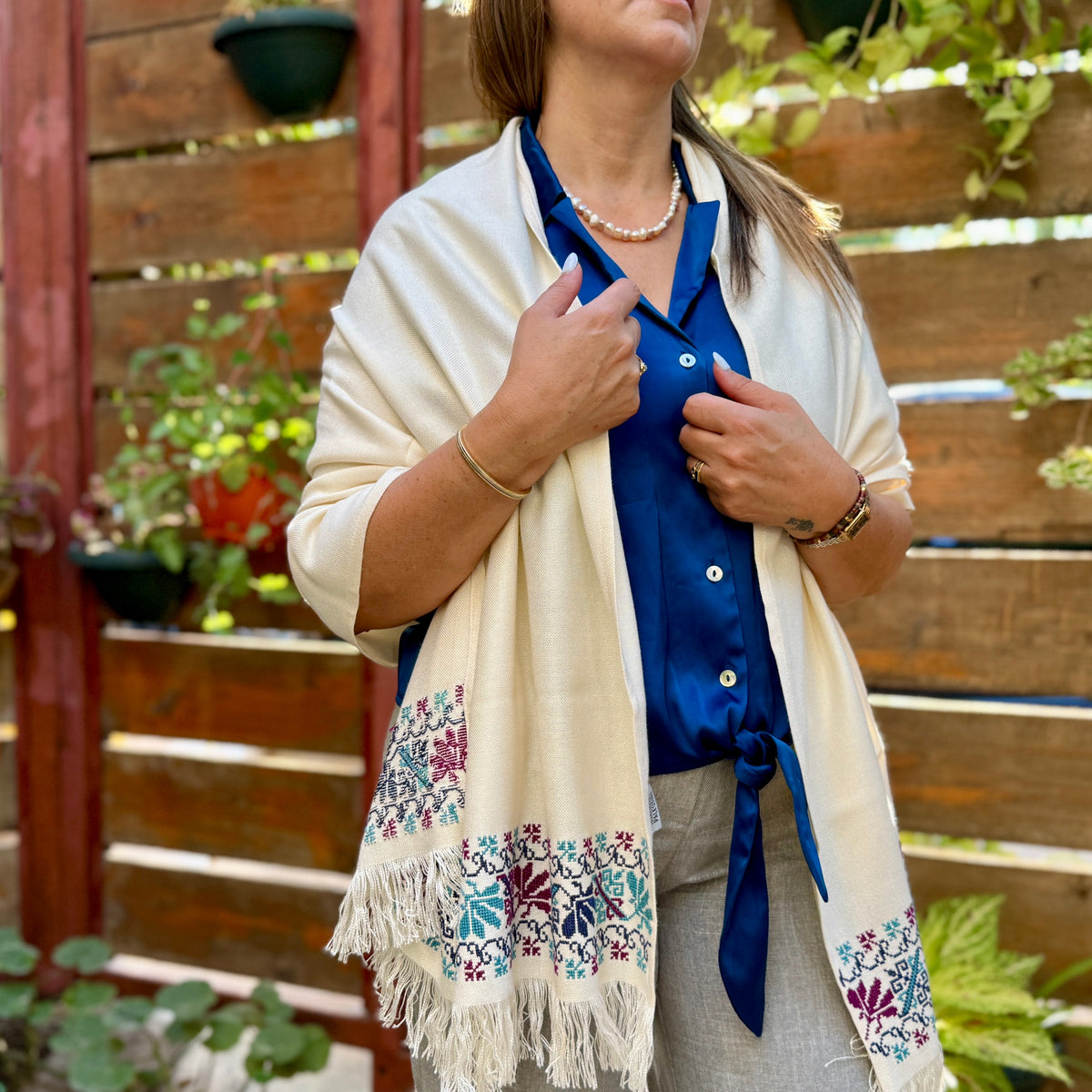


Leave a comment
This site is protected by hCaptcha and the hCaptcha Privacy Policy and Terms of Service apply.